Health and Safety Policy for Landscaping Abbey Wood
 At Landscaping Abbey Wood, health and safety is central to every task, from routine garden maintenance to larger outdoor projects. This policy sets out our commitment to protecting staff, clients, visitors, contractors, and members of the public from harm. We aim to create a working environment where risks are identified early, controlled properly, and reviewed regularly. Our approach to landscaping safety is practical, proportionate, and based on careful planning, communication, and accountability.
We recognise that landscaping work can involve moving machinery, lifting materials, working near water, using sharp tools, handling chemicals, and operating outdoors in changing weather. Because of this, we maintain clear standards across all activities. Every member of the team is expected to follow safe systems of work, use equipment correctly, and report hazards without delay. This helps ensure that landscape maintenance and project work are completed efficiently while reducing the chance of injury or damage.
 Our policy applies to all activities carried out under the business, including planting, turfing, pruning, hedge cutting, soil preparation, drainage work, hard landscaping, and site clearance. It also applies to storage areas, vehicles, and any temporary work zones. Wherever we operate, we expect a consistent standard of care. By applying the same principles to every job, we support safer outcomes for staff and clients alike.
Responsibility for health and safety begins with management and continues through every level of the organisation. Managers must assess work in advance, provide suitable resources, and make sure staff are trained for the tasks they perform. Team members must take reasonable care for their own safety and for the safety of others who may be affected by their actions. This shared responsibility is a core part of our landscaping health and safety culture.
Risk assessments are completed before work starts and updated when conditions change. These assessments consider access routes, ground conditions, weather, overhead hazards, underground services, traffic movement, and the use of tools or machinery. Where risks cannot be removed entirely, control measures are introduced to reduce them to an acceptable level. Examples include barriers, signage, supervision, protective equipment, and safe working distances. In all cases, the goal is to prevent avoidable incidents and maintain a safe site.
 Training is essential to safe practice. Employees receive instruction relevant to their duties, including correct manual handling, tool use, emergency procedures, and safe storage of materials. Refresher training is provided where needed to maintain competence. We also encourage a strong reporting culture so that near misses, unsafe conditions, and equipment faults are raised quickly. Early reporting allows us to respond before a small issue becomes a serious one.
Personal protective equipment is issued according to the nature of the task and the risks involved. This may include gloves, eye protection, high-visibility clothing, hearing protection, safety footwear, and weather-appropriate clothing. PPE is treated as the final layer of protection rather than the only control measure. It must be worn, maintained, and replaced when damaged. The correct use of PPE supports safer garden landscaping operations and helps reduce exposure to physical hazards.
Plant and equipment must be inspected before use and kept in safe working order. Defective tools are taken out of service immediately until repaired or replaced. Fuel, batteries, and other materials are stored safely, and only trained personnel may operate machinery or vehicles. We also manage noise, vibration, and dust where these risks are present. In addition, work near the public or other trades is arranged carefully to avoid unnecessary exposure to moving equipment or falling materials.
Manual handling is another important area of control. Landscaping frequently involves lifting, carrying, pushing, and pulling loads such as paving, soil, timber, and plants. We reduce strain by planning loads, using mechanical aids where possible, and sharing heavier tasks between team members. Staff are encouraged to stop and reassess if a load becomes awkward or unsafe. Good manual handling practice protects both short-term comfort and long-term wellbeing.
Weather conditions can affect safety significantly. Heat, cold, rain, ice, and strong winds may all create additional hazards in outdoor work. We monitor conditions and adjust tasks where necessary, including delaying work if conditions become unsafe. Hydration, suitable clothing, shaded rest where practical, and careful scheduling all support safer working in changing weather. This flexible approach helps maintain productivity without compromising welfare.
Emergency preparedness is an essential part of this policy. First aid arrangements are in place, and staff are expected to know how to summon help quickly if an incident occurs. Emergency procedures cover injuries, fire, chemical exposure, utility strikes, and severe weather events. Where work takes place on unfamiliar or active sites, we ensure that escape routes, muster points, and communication methods are understood in advance. Clear preparation can make a critical difference in an emergency.
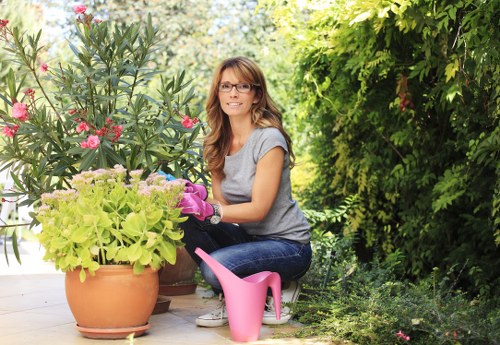 Landscape safety also depends on good housekeeping. Work areas should be kept tidy, walkways clear, and materials stored so they do not create trip or fall hazards. Waste, cuttings, and packaging should be removed promptly or placed in suitable containers. Tools should not be left in circulation areas, and vehicle loading should be managed carefully. A clean, organised site reduces risk and supports a professional standard of work.
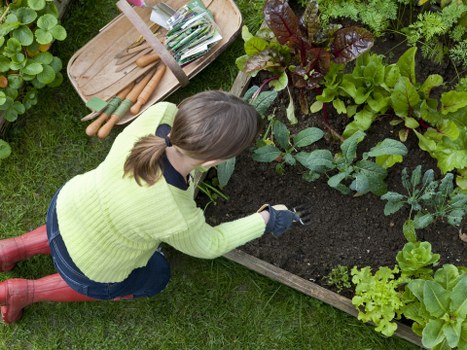 We review this policy regularly to ensure it remains effective, practical, and suited to the nature of our work. Reviews may follow accidents, near misses, changes in equipment, new working methods, or updates to operational needs. Continuous improvement is important to us, and we expect everyone involved in landscape care to contribute to safer practice. By working together with diligence and attention, we can maintain high standards of health and safety across all landscaping activities.
This policy reflects our commitment to a workplace where prevention is prioritised, risks are managed responsibly, and everyone understands their role in keeping people safe. Health and safety is not treated as a separate process; it is part of how we plan, work, and deliver every service. Through consistent control measures, effective supervision, and sensible working habits, Landscaping Abbey Wood aims to uphold a safe and reliable standard in every project we undertake.