Garden design and build in Abbey Wood
If you are looking for Garden design and build in Abbey Wood, you may already know the value of making the most of outdoor space in a local area where gardens can vary a lot from one property to the next. Some homes in Abbey Wood have compact back gardens that need clever layout ideas; others have wider plots that can support patios, planting zones, family lawns, or low-maintenance features that still look smart all year. A well-planned garden should feel like a natural extension of the home, not just an empty patch of ground.
Whether you want a full transformation or a phased project that starts with one area at a time, a professional garden design and build service can bring together practical planning, attractive materials, and workmanship that suits your property. From the earliest ideas to the final finishing touches, the aim is to create a space that works for everyday use, supports your lifestyle, and adds lasting value. Contact us today if you are ready to explore what is possible in your Abbey Wood garden.
Local customers often want more than a pretty layout. They want a garden that handles drainage properly, suits the local soil and conditions, and is easy to maintain without feeling plain. They may also need access-friendly planning, side return solutions, careful movement of materials through tight spaces, or a design that balances privacy with light. That is where a local team familiar with Abbey Wood homes and surrounding neighbourhoods can make a real difference.
Why garden design and build matters in Abbey Wood

Abbey Wood properties can present a range of outdoor challenges and opportunities. Some gardens are shaded by neighbouring buildings or mature trees, while others are open and exposed. There may be awkward boundaries, sloping ground, uneven lawns, or older paving that needs replacing. A thoughtful design takes these details into account from the start so that the finished garden feels balanced, usable, and suited to local conditions.
For many homeowners, the main goal is to turn an underused space into something that actually supports daily life. That could mean a safer play area for children, a calm seating area for relaxing after work, space for entertaining, or planting that provides colour and structure across the seasons. A well-built garden can also make maintenance easier, which is especially important for busy households and people who want a neat result without constant upkeep.
Local businesses and landlords in Abbey Wood also benefit from considered outdoor design. Commercial spaces, shared entrances, frontage areas, and private courtyards all need practical solutions that look professional and stand up to regular use. A properly planned landscape can improve first impressions, reduce maintenance headaches, and make the property more pleasant for staff, customers, or tenants.
What a garden design and build service can include

Every project begins with understanding how you want to use the space. Some customers want a complete redesign, while others need help with one key part of the garden. A flexible Abbey Wood garden design and build service can combine design input, construction, and planting into one coordinated process, helping you avoid the confusion that can come from dealing with separate trades.
Typical elements may include hard landscaping, soft landscaping, planting plans, and finishing details that give the garden a polished look. The exact scope will depend on your space, your budget, and the way you want to use the garden through the year. For example, a family garden may need durable paving, lawn installation, secure borders, and storage solutions, while a smaller courtyard may benefit from raised planters, seating, lighting, and a clean modern layout.
Common features and services can include:
- Site assessment and layout planning
- Patios, paths, and stepping-stone routes
- Decking and seating areas
- Fencing, screens, and boundary improvements
- Raised beds and planters
- Turfing and lawn replacement
- Planting design and shrub selection
- Garden clearance and preparation
- Drainage-aware shaping and groundworks
- Lighting, edging, and finishing details
Designing a garden that suits your Abbey Wood property
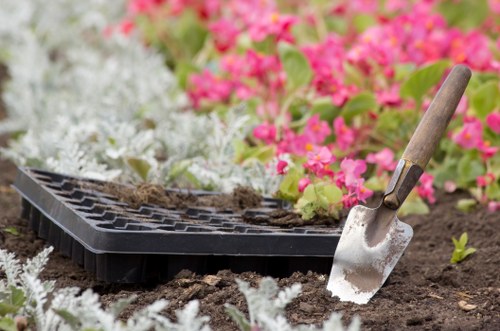
Good garden design starts with the property itself. A terrace, semi-detached home, new-build, or larger detached plot all call for different choices. In Abbey Wood, many customers want designs that respect existing architecture while still creating a fresh outdoor space. That might mean choosing materials that match brickwork and window tones, selecting planting that softens hard edges, or creating a layout that makes a modest garden feel broader and more open.
For smaller gardens, the key is often proportion. Overcrowding a limited space with too many features can make it feel cramped. Instead, a practical design may use simple lines, light-coloured paving, vertical planting, or built-in seating to increase usable space. For larger gardens, the challenge is often different: breaking the area into sections so that it feels inviting, not empty or disconnected.
Local knowledge matters because Abbey Wood gardens are not all the same. Soil conditions, drainage behaviour, boundary privacy, and access routes can vary from one street to the next. A team that understands these realities can make recommendations that are more likely to succeed in the long term, rather than relying on a one-size-fits-all layout.
Practical benefits of a professional build

A garden can look attractive on paper, but the build stage is where quality really shows. Proper ground preparation, accurate levels, good drainage, secure fixings, and careful material installation all affect how long the garden lasts and how easy it is to live with. A professional build helps reduce common problems such as puddling, uneven paving, poor edging, or planting beds that do not retain soil properly.
There are also safety and usability benefits. Level changes can be handled more cleanly, steps can be positioned where they feel natural, and walking routes can be planned so they are easy to follow. If the garden will be used by children, older relatives, or anyone with mobility considerations, these details become even more important. The same applies to commercial outdoor areas, where presentation and practical movement both matter.
Another advantage is consistency. When design and construction are managed together, the finished result tends to look more cohesive. Materials can be selected with the overall picture in mind, rather than pieced together later. This creates a garden that feels purposeful, well finished, and easier to care for in the future.
How the process usually works

Every project is different, but a reliable garden design and build process usually follows a clear pattern. That helps keep expectations realistic and ensures the work progresses in the right order. For customers in Abbey Wood, having a structured approach is especially useful where access, parking, and site logistics need to be handled carefully.
The process often begins with an initial discussion about what you would like the garden to do. Do you want more entertaining space? A child-friendly layout? A low-maintenance finish? Improved privacy? Better drainage? Once the goals are clear, the next stage is to look at the current site and identify any practical constraints that may affect the design.
A typical process may include:
- Discussing ideas, priorities, and the intended use of the garden
- Reviewing the site, dimensions, access, and existing features
- Developing a design concept and selecting suitable materials
- Preparing the ground and carrying out necessary removal or clearance
- Building the new hard landscaping elements
- Installing planting, turf, or decorative features
- Completing the final tidy-up and walk-through of the finished space
Planning around access, parking, and site conditions in Abbey Wood
One of the main reasons local customers choose a nearby team for garden design and build in Abbey Wood is the practical side of getting materials and equipment in and out of the property. Some roads have limited parking, some homes have narrow side access, and others require careful planning to avoid disruption to neighbours. A local crew is more likely to understand these day-to-day realities and work around them efficiently.
Access planning can affect the order of work, the choice of materials, and how waste is removed from the site. If a garden is only reachable through the house or a narrow passage, the build may need more careful protection and logistics. If parking is limited, delivery timing and loading arrangements matter more than they might on a larger open site. These are the details that can make a project smoother and less stressful for you.
Conditions underfoot also matter. Some gardens have compacted clay-like ground, old concrete bases, uneven paving, or remnants of previous landscaping that need to be removed before new work begins. Other sites may need attention to slope and drainage so the finished garden performs well in wet weather. A good local service will factor these issues into the plan rather than treating them as afterthoughts.
Design ideas for different types of Abbey Wood gardens
There is no single correct way to design a garden. The best results come from matching the layout to the property and the people who use it. Below are some common approaches that work well for local homes and commercial spaces.
Family gardens
For family homes, durability and flexibility are usually top priorities. A strong central lawn, a paved seating area, and clear borders can create a space that is easy to enjoy and simple to maintain. Soft planting can be used around the edges so the garden still feels welcoming and colourful without becoming difficult to manage.
Low-maintenance gardens
Many Abbey Wood customers want a garden that looks good with less ongoing work. This can be achieved by replacing large lawn areas with paving, gravel, or planting beds that suit the light and soil conditions. Structural plants, evergreen borders, and quality edging can keep the garden looking tidy with less effort.
Entertaining spaces
If you enjoy hosting friends or family, the layout should support that. A dining area, barbecue space, or seating zone may be the focus, with lighting and planting used to create atmosphere. Materials need to be chosen not only for appearance but also for comfort underfoot and ease of cleaning.
Small gardens and courtyards
Smaller outdoor spaces benefit from smart proportion and simple visual lines. Built-in seating, raised beds, and carefully placed screening can make a compact area feel more usable. In these gardens, every metre counts, so thoughtful design can have a big effect.
Commercial and communal areas
For offices, shops, landlords, and shared spaces, the goal is often a smart, robust finish that is easy to maintain. Clear pathways, tidy borders, and well-chosen planting can improve the appearance of the property while keeping upkeep manageable.
Materials and finishes that suit local homes
The right materials can completely change the feel of a garden. In Abbey Wood, many customers prefer finishes that look practical and modern while still fitting in with the surrounding properties. The choice may include natural-looking paving, brick or timber edging, timber or composite decking, gravel features, or rendered planters. Each material has its own strengths, and the best option depends on how the garden will be used.
For example, porcelain or stone-effect paving can create a clean, contemporary look and is often chosen for seating areas. Traditional paving may suit older homes or gardens that need a softer, more established feel. Timber elements can bring warmth to a design, while gravel can help with drainage and define spaces neatly. Planting also plays a huge role, because the right mix of structure, colour, and texture can make even simple hard landscaping feel complete.
It is worth remembering that materials should be chosen for both appearance and performance. A surface that looks attractive but becomes slippery, difficult to maintain, or poorly suited to the ground beneath it may cause more frustration later on. That is why design and build should always go hand in hand.
Planting design that brings the garden to life
Planting is what turns a built space into a living garden. It softens edges, adds privacy, changes with the seasons, and makes the space feel personal. A planting plan can be tailored to sun or shade, dry or damp conditions, and the level of upkeep you are comfortable with. In a local area like Abbey Wood, where gardens can be affected by neighbouring buildings and varied microclimates, choosing the right plants matters.
Some customers want evergreen structure all year round, while others prefer a more dynamic display with flowers, grasses, and seasonal interest. A balanced planting scheme might use a mixture of shrubs, perennials, climbers, and ornamental grasses. If you want privacy, climbing plants or taller screening shrubs can help. If you want more colour, borders can be layered so that something is always happening across the seasons.
Planting also needs to be practical. Beds should be easy to water, mulch, and maintain. The spacing should allow plants to grow without overcrowding. And the selection should suit the amount of light available in your garden, rather than being chosen purely for looks. That level of care helps create a garden that matures well rather than needing frequent correction.
What to prepare before work begins
Preparing well can make the project run more smoothly and help avoid avoidable delays. If you are planning a garden redesign, there are a few simple things you can do before the team starts on site. These steps do not need to be complicated, but they are often helpful.
Preparation checklist:
- Clear personal items, toys, and lightweight furniture from the work area
- Let the team know about any fragile features or hidden services
- Discuss access points, parking concerns, or neighbour considerations
- Decide which existing features you want to keep, remove, or re-use
- Think about how you want to use the garden through the seasons
- Consider whether storage, lighting, or screening should be included
- Make note of any drainage issues, damp spots, or problem areas
If you are not sure what should be done in advance, that is normal. A good local service will help identify what needs attention and what can be handled during the project itself. The main point is to make sure the design is realistic and the build starts with clear expectations.
Pricing factors for garden design and build
Customers often want to know what affects the cost of a garden project before they request a quote. While exact prices vary from one project to another, several common factors influence the overall scope. Being clear about these from the start makes it easier to compare options and plan the work sensibly.
Key pricing factors usually include:
- Garden size and level of complexity
- Amount of clearance or demolition required
- Choice of paving, decking, timber, or other materials
- Drainage requirements and ground preparation
- Planting quantity and the maturity of selected plants
- Access limitations and site logistics
- Need for lighting, fencing, or built features
- Whether the work is completed all at once or in phases
A detailed quotation should reflect the actual site conditions and your chosen finish. If you are working to a budget, it can be helpful to discuss priorities early. That way, the design can focus on the features that matter most, and the rest can be phased in later if needed. Request a free quote when you are ready to take the next step.
Why choose a local company for Abbey Wood garden projects
There are real advantages to using a local team for garden design and build in Abbey Wood. A nearby company is more likely to understand local housing styles, garden sizes, road access issues, and the practical realities of working in the area. That can make planning easier and help the project move more efficiently from start to finish.
Local service also tends to be more responsive. If changes need to be discussed, if a site visit is required, or if a project needs to be phased carefully around your household schedule, a local team is usually easier to coordinate with. That is useful for homeowners, landlords, and commercial clients alike.
There is also peace of mind in working with people who are used to the kinds of outdoor spaces common in Abbey Wood and nearby areas such as Thamesmead, Belvedere, Plumstead, and Woolwich. Even when every garden is unique, local experience helps when dealing with typical boundary layouts, access routes, and the range of property types found across the area.
Areas covered and property types served
Garden design and build services in Abbey Wood often support a wide mix of customers. That may include families in residential streets, landlords updating rental properties, small businesses wanting a cleaner frontage, or owners of larger homes who want to make better use of their garden space. The same service can be adapted to different needs, as long as the design is based on the site and the intended use.
Nearby areas commonly served include:
- Abbey Wood
- Thamesmead
- Belvedere
- Plumstead
- Woolwich
- Welling
- Erith
- Charlton
Whether the project involves a full redesign, a new patio, planting refresh, or a better layout for an awkward rear garden, it helps to work with a team that is used to local site conditions and can provide practical advice tailored to the property.
Frequently asked questions
How long does a garden design and build project take?
The timeframe depends on the size of the garden, the complexity of the design, weather, material availability, and whether substantial preparation work is needed. Smaller projects may take less time, while full transformations with groundworks, paving, planting, and finishing details naturally take longer.
Can the garden be designed in stages?
Yes. Many customers choose a phased approach, especially if they want to spread work over time or focus first on the most important areas. A staged plan can help you prioritise key elements such as paving, access, or drainage, then add planting and extras later.
What if my garden has poor drainage?
Drainage is a common issue and should be addressed early in the process. Solutions may involve regrading, improving the ground structure, choosing suitable paving build-ups, or shaping the layout so water moves away naturally. The right solution depends on the site.
Do I need a full design before work begins?
Not always. Some projects benefit from a detailed design plan, while others can move forward with a practical layout discussion and a clear build scope. The level of planning should match the size and complexity of the job.
Can you help with a low-maintenance finish?
Yes. Many Abbey Wood customers want gardens that look good without requiring constant upkeep. That can be achieved through sensible planting choices, durable surfaces, reduced lawn areas, and layouts that are simple to manage.
Is garden design and build suitable for commercial properties?
Absolutely. Commercial and communal areas often need robust solutions that look tidy and are easy to maintain. A well-planned outdoor area can improve presentation and help the property function better day to day.
What makes a successful local garden project?
Successful projects usually come down to good planning, practical materials, and a build process that respects the realities of the site. The design should suit the household or business, the construction should be properly executed, and the planting should be chosen with the local environment in mind. When those three things work together, the result is a garden that feels like it belongs to the property.
It is also important to be realistic about how the space will be used. A garden intended for quiet relaxation will not need the same layout as one built for children, entertaining, or business frontage. Taking time to define those aims early helps avoid wasted space and ensures the final result is useful as well as attractive.
If you are planning a new outdoor space or updating an existing one, now is a good time to book your service now or request a quote. A local discussion can help you understand what is possible, what may need attention first, and how to move forward with confidence.
Final thoughts on garden design and build in Abbey Wood
A thoughtfully designed garden can change the way you use your home or business property. It can create better flow, more comfort, improved privacy, and a more welcoming first impression. For Abbey Wood customers, the best results usually come from a service that understands local homes, practical access issues, and the kind of everyday use a garden really needs to support.
Whether you are starting with a blank plot, replacing tired features, or reworking an outdoor space that never quite functioned properly, a tailored approach can make the difference between a garden that simply exists and one that genuinely adds value to daily life. If you are ready to talk through your ideas, contact us today and take the first step toward a garden that feels purposeful, attractive, and built for the way you live.